Singular by Patrina

Singular: Financial Services CRM for Connected Client Operations

A financial services CRM is an operating platform, not a departmental contact list.

Singular brings client information, pipeline activity, communications, reporting and selected compliance workflows into one environment so the organization can define who owns its client-lifecycle data, which roles may act on it and how the platform is governed as products, teams and processes change.

  • Built specifically for financial-services professionals
  • CRM and configurable compliance tools in one platform
  • Integrations for communication, financial data and everyday workflows
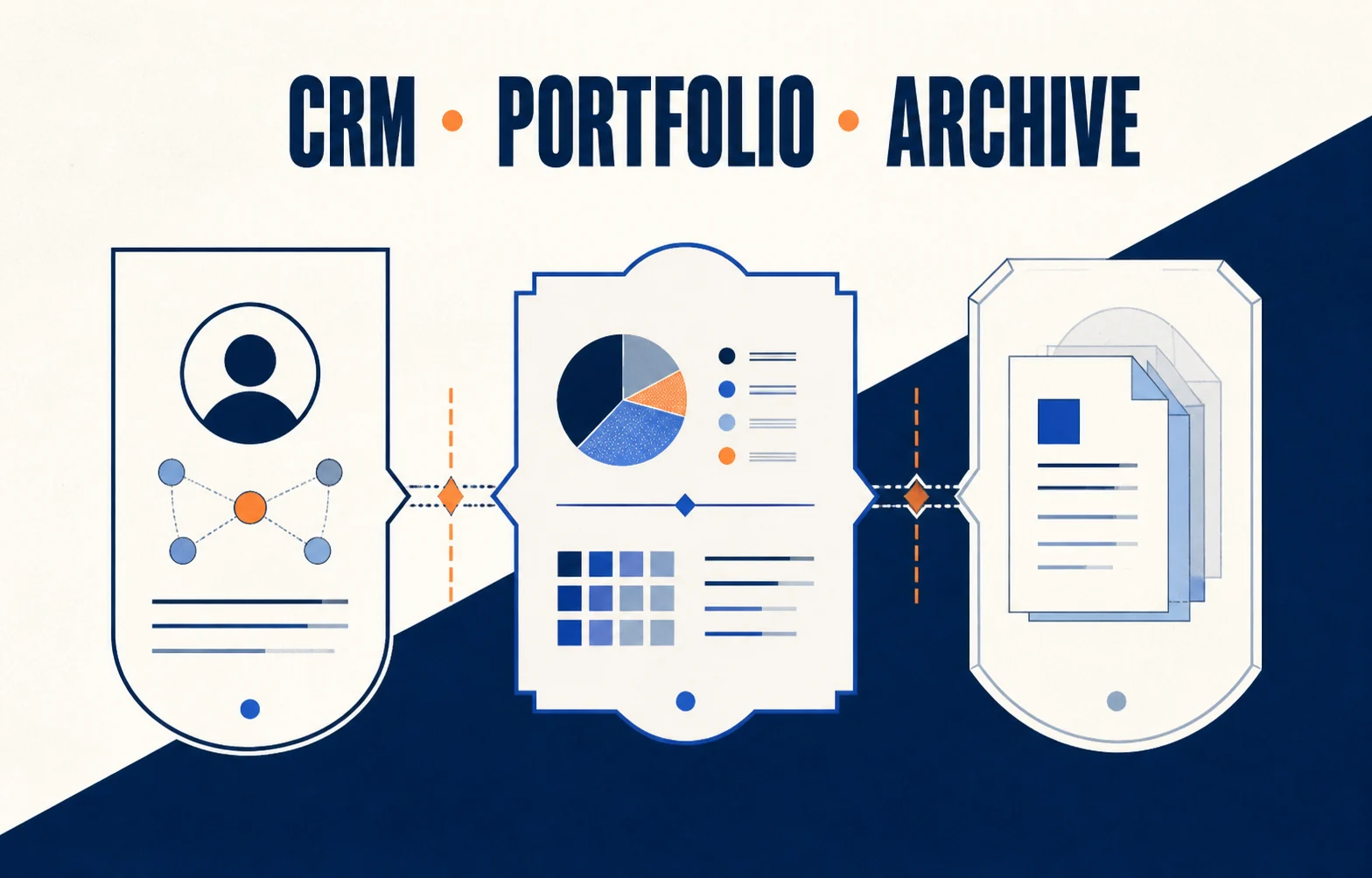
Distinct CRM, portfolio and archive systems exchanging context while retaining separate responsibilities

Financial firms that trust Patrina

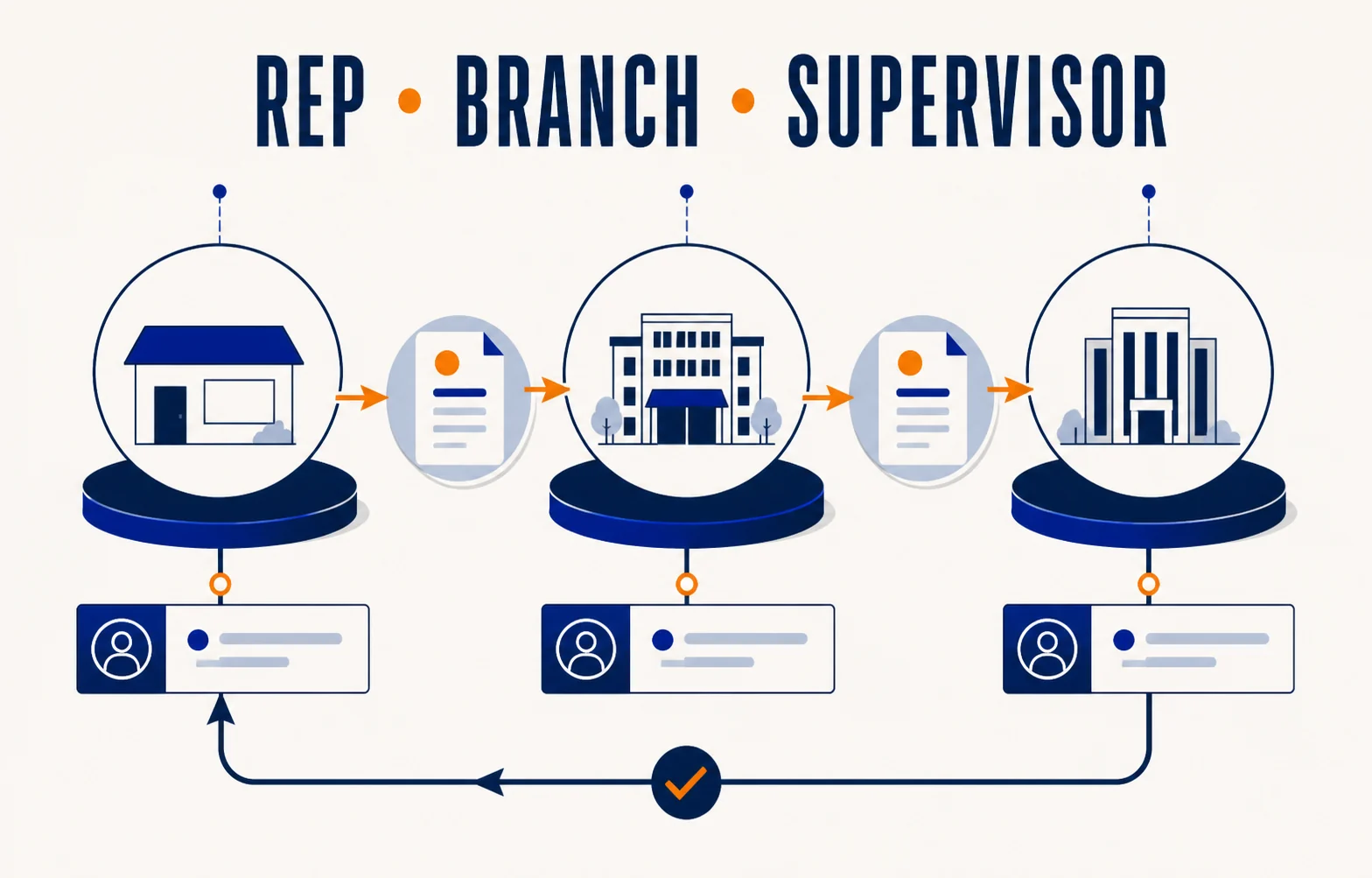
Work handoff moving between a representative, branch team and supervisor with visible ownership
Ownership across the operating modelUseful context becomes operational when each handoff identifies the responsible team, the information it needs and the next action it owns.

Singular by Patrina

Connect the Client Lifecycle Across Your Firm

Singular connects client and prospect information, pipeline activity, communications, tasks, reporting and selected compliance workflows across one financial-services platform.

Teams can work from shared relationship context while maintaining clear ownership of the records, actions and decisions within their responsibilities.

  • Give Teams Shared Client Context

    Bring contact details, communication history, opportunities and holdings together with shared notes, tasks and reminders.

    Teams can work from the same relationship history while maintaining clear ownership of follow-up and client work.

  • Turn Pipeline Activity Into Coordinated Follow-Through

    Customizable stages show where opportunities stand, while product and reporting capabilities add context around products, fees and anticipated revenue.

    Operations and leadership gain visibility into pipeline activity and the resources needed to support growth.

  • Connect Relationship Work to Selected Compliance Processes

    Singular includes Patrina workflows for policies, branch audits, message supervision, complaints, outside business activities, gifts and entertainment reporting, political contributions tracking, outside trading accounts and marketing-material review.

    Bring relevant workflows into the same operating environment so responsible teams can maintain visibility into status, ownership and follow-through.

See Singular across your client lifecycle
Govern the Client LifecycleDefine who creates, uses and maintains client, opportunity, product and service information across the organization.
Model Financial-Services WorkOrganize relationships, products, pipeline activity and firm-wide visibility around how your teams actually operate.
Connect Growth and OversightKeep commercial activity connected to the workflows, controls and responsibilities your organization chooses to apply.

Platform capabilities

Capabilities That Connect Work Across Departments

Evaluate each capability by the decision, handoff or workflow it improves—not simply by whether the feature exists.

01

Client Management

Maintain contact details, communication history, deals and holdings with notes, tasks and reminders that make ownership visible.

For cross-functional teams, the value is continuity: the next team should have enough context to understand why the relationship matters and what action is expected.

02

Pipeline and Product Management

Configure pipeline stages around the firm’s actual process from lead through close. Singular provides product-management capabilities for investment products and anticipated firm revenue based on configured fee or commission inputs.

Ask us to demonstrate how stages, products and calculations give insight into deals and expected firm revenue.

03

Integrated Communications

Integrated email and LinkedIn capabilities within Singular, including LinkedIn approval and capture workflows, help facilitate pre-approval and eventual archiving.

Connecting relevant communications to the relationship can reduce the gap between what a client was told and what the next team needs to know.

Let Patrina help with supported channels, capture behavior, permissions and archiving configuration for your firm.

04

Analytics and Reporting

Use dashboards and reports to monitor sales-funnel activity, performance indicators, anticipated revenue and open or closed compliance items.

Evaluate each report by asking which role uses it, what decision it supports and what action should follow. A dashboard that does not inform ownership or prioritization is only a summary.

05

Financial Data and Workflow Integrations

Singular connects with Schwab and Plaid to bring financial-account information into the client relationship. Schwab integration supports account and position data, while Plaid provides access to investment-account balances, holdings and transactions.

06

Configurable Compliance Tools

Singular provides tools and workflows to help your firm stay ahead of your compliance obligations.

With workflows for policies and procedures, branch audits, message archiving and supervision, complaints, outside business activities, marketing materials, political contributions, gift and expense reporting, and outside trading activity, your firm will be compliance ready.

These capabilities can bring review processes closer to client and employee activity.

See How Singular Connects a Cross-Team Handoff

Bring a real handoff—from qualified opportunity through operational follow-through—and ask Patrina to demonstrate how Singular carries the client context, ownership, reporting and applicable review steps across teams.

Book a live demo

Singular integrations

Govern Every Critical Integration as a Data Contract

An integration should have a defined purpose and ownership: which system is authoritative, which teams can change the data, what Singular receives, how conflicts are handled and who investigates failures.

Singular’s supported integrations include Calendly, BackNine, Dropbox, Gmail, Plaid, LinkedIn, Zapier, Fireflies, Microsoft Exchange, Schwab, Integrately and Holistiplan. Let us confirm availability, data direction, supported fields and configuration requirements within Singular.

Before a demo, choose two high-value data objects, such as an opportunity or financial-account field. Assign an owner and system of record to each, then ask Patrina to demonstrate which roles can create, update, view and reconcile the information.


The cross-functional reality

Financial Services Coordination Goes Beyond the Sales Pipeline

Financial-services firms do not stop working when an opportunity changes stage. A prospect becomes a client, a product discussion creates operational work, a service request may involve several roles, and management or compliance may need visibility for different reasons.

Advisory teams can explore this same challenge through the more specific lens of a CRM for financial advisors. The real CRM test is whether relationship context, ownership and next actions remain connected as work moves across the organization.

01

Give the Platform Owners Beyond Sales

Business development may establish the relationship, but service, operations, management and compliance rely on the same underlying information. The organization should define who governs client types, products, pipeline stages, required fields, permissions, reporting and change requests.

When those decisions remain with the person who originally configured sales, departmental preferences can become organization-wide defaults.

02

Establish Common Definitions

Sales, service, operations and finance may use the same terms differently—client, household, product, opportunity, active account or revenue. Integrations can spread those inconsistencies across systems.

Define each critical object, its authoritative source and who owns it. A copied balance without a source or date, inconsistent product definitions or duplicate relationship owners can undermine trust in the platform.

03

Manage Change as the Business Evolves

New products, teams, integrations and policies create ongoing requests for fields, permissions, dashboards and workflows. Without clear ownership and a defined change process, exceptions accumulate and reporting becomes inconsistent.

Establish a process to approve, test, document and communicate changes without turning every business request into a new system implementation.

Bring Patrina the workflow that is hardest to coordinate.

Use a real handoff to evaluate fit, ownership and visibility.

Request a live demo

Designed for cross-functional operating models

Put Shared Client Context to Work Across Teams

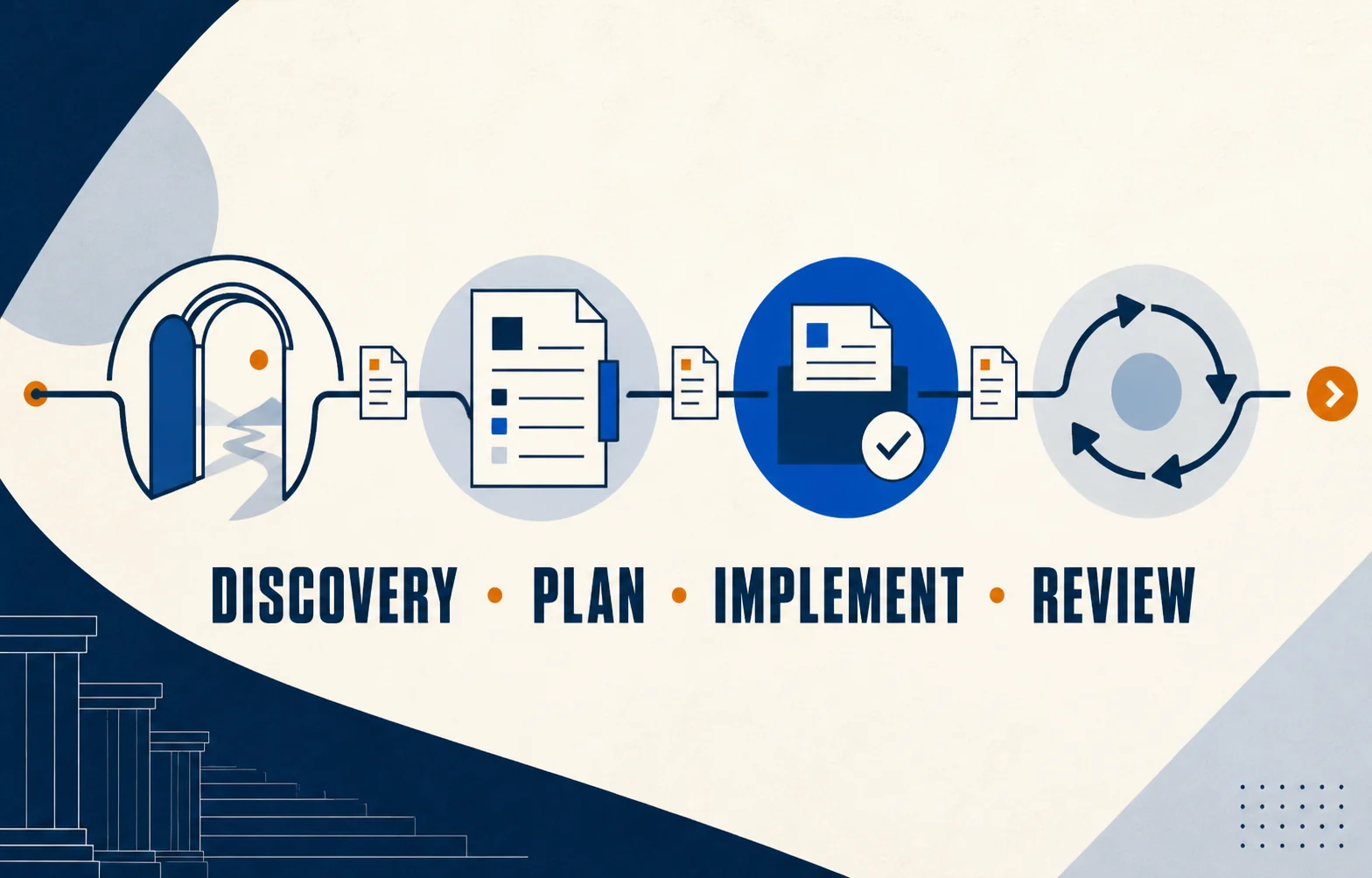
From Accepted Opportunity to Coordinated Onboarding

A prospect agrees to move forward, and the closed opportunity becomes the starting point for delivery.

Business development, the relationship owner, client service, operations and any applicable review function.

Relevant relationship history, product or service context and next steps remain connected to the opportunity. The team assigns onboarding tasks and reminders, makes ownership visible and keeps related communications accessible to the people responsible for delivery.

Management can see where work is waiting without relying on offline updates from sales.

A clearer transition from commercial commitment to operational execution, with less reliance on memory, forwarded email and separate checklists. Confirm onboarding stages, task automation and workflow configuration with Patrina.

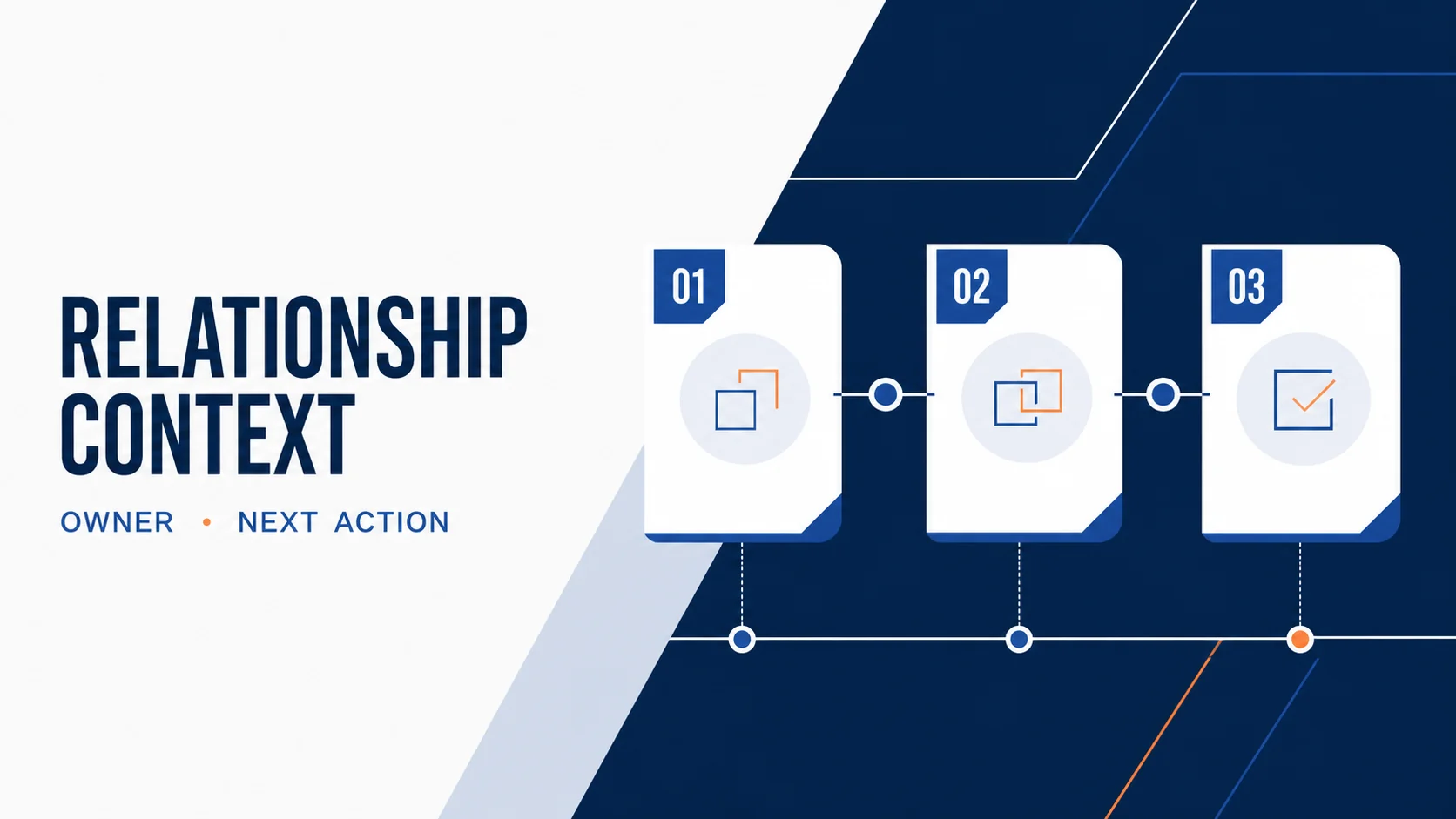
Financial advisor relationship context connecting client information, activity and team follow-through

Compliance-aware by design

Connect Oversight to the Workflows That Matter

Financial services encompass different business models, products, registrations, jurisdictions and supervisory structures. A CRM cannot determine which requirements apply to a firm, and software alone does not guarantee compliance.

A configurable platform gives the organization a way to connect relevant relationship events to approval, supervision, documentation or escalation workflows. The firm can then validate those processes with its compliance and legal professionals and configure the platform around its actual responsibilities.

Request a live demo

Define What the CRM Should Own

Decide which client, prospect, product and activity data belongs in Singular, which external systems remain authoritative and which team owns corrections.

Without that operating agreement, even a centralized CRM can accumulate conflicting versions of the same information.

Apply Only the Compliance Workflows You Need

Map the firm’s policies, obligations and supervisory structure before selecting compliance workflows. Then evaluate the Singular tools that support those requirements.

Do not enable a workflow simply because it is available, and do not treat a configured process as proof that a regulatory requirement has been satisfied.

Test Traceability With a Real Event

Choose a representative event—a communication requiring review, a complaint escalation or a marketing-material submission—and follow it from creation through assignment, decision and reporting.

Ask Patrina and the firm’s reviewers to validate permissions, retained context, reporting and export requirements. A real event will show whether the configured workflow supports the firm’s actual process

Choosing financial services CRM

How to Evaluate Financial Services CRM Software

Evaluate the platform against your organization’s actual client-lifecycle model: business lines, client types, products and services, authoritative data, roles, permissions, reporting and ownership.

A useful CRM demonstration should show how that model works in practice—including what can be configured, what requires an integration and where your organization remains responsible for governance and ongoing administration.

  1. 01

    Model the Business First

    Can the platform model a real client lifecycle without forcing every department into the same pipeline?

    Define your client types, product and service lines, relationship structures, opportunity stages and compliance responsibilities. Then ask the vendor to show how those objects and relationships are represented in the platform.

    If the model only works for sales, the implementation may simply recreate departmental silos in a new interface.

  2. 02

    Give Every Element an Owner

    Who owns each object and rule after launch, and who approves changes when the organization adds a product, team or business line?

    Select a client type, product object, stage model, permission set and management report. Identify the business owner, system administrator and approver for each.

    Then introduce a realistic change, such as adding a new product or team. Ask the vendor to demonstrate how the change would be configured, tested, approved and communicated.

  3. 03

    Make Integrations Accountable

    For each critical integration, what data enters Singular, where does it appear, how often can it change and what happens when the source is unavailable?

    Document the authoritative system, data owner, fields exchanged, direction, timing, permitted users, conflict rules, duplicate handling and failure owner.

    Then test how different departments interpret and use the same incoming data. Seeing an object in the CRM does not prove that the underlying handoff is governed.

  4. 04

    Keep Oversight Clear

    Can each role see the information it needs without confusing management visibility with compliance evidence?

    Sales leadership, operations and compliance may review related activity while asking different questions. Determine whether dashboards, queues and workflows reflect those responsibilities without treating a management report as a regulatory record or completed supervisory review.

    Confirm the workflow history, audit information and exports required for each use case.

  5. 05

    Plan for Long-Term Adoption

    After implementation, which changes can your administrator make, which require Patrina and how will users learn a revised workflow?

    Configuration has an ongoing operating cost. Identify who will manage stages, fields, permissions, reports, integrations and training after launch.

    Test common tasks with representatives from sales, service, operations and compliance, along with the executive sponsor. Ask Patrina to distinguish what it configures, what the firm maintains and how changes are supported over time.

  6. 06

    Bring Your Business to the Demo

    Discuss a representative client type, product or service, authoritative data source, departmental roles and a realistic configuration change. Ask Patrina to show how Singular would represent, govern and administer that model.

    A representative operating scenario can reveal governance, permissions, integration and adoption questions that a standard feature tour may miss.

A better evaluation starts with your workflow.

Bring one real client or record journey and ask Patrina to show how the platform supports it.

Evaluate Singular with your teams

Frequently asked questions

Financial Services CRM: Questions to Ask Before You Buy

Talk to Patrina

Financial services CRM software organizes client and prospect relationships, opportunities, communications, tasks and reporting around how a financial-services organization operates.

Unlike a contact database built for one salesperson, it can support multiple roles across the client lifecycle. Fit depends on the firm’s business model, data requirements, integrations and applicable oversight workflows.

See Singular in action

Test Singular against the way your firm actually works.

Bring a real process to the conversation. A focused demonstration can show the relevant product path, clarify configuration questions and identify what your team should validate next.

  • Walk through a representative workflow
  • Confirm the systems, channels and roles involved
  • Define the next evaluation step with Patrina

    See Singular for your firm Book a demo