Client Management
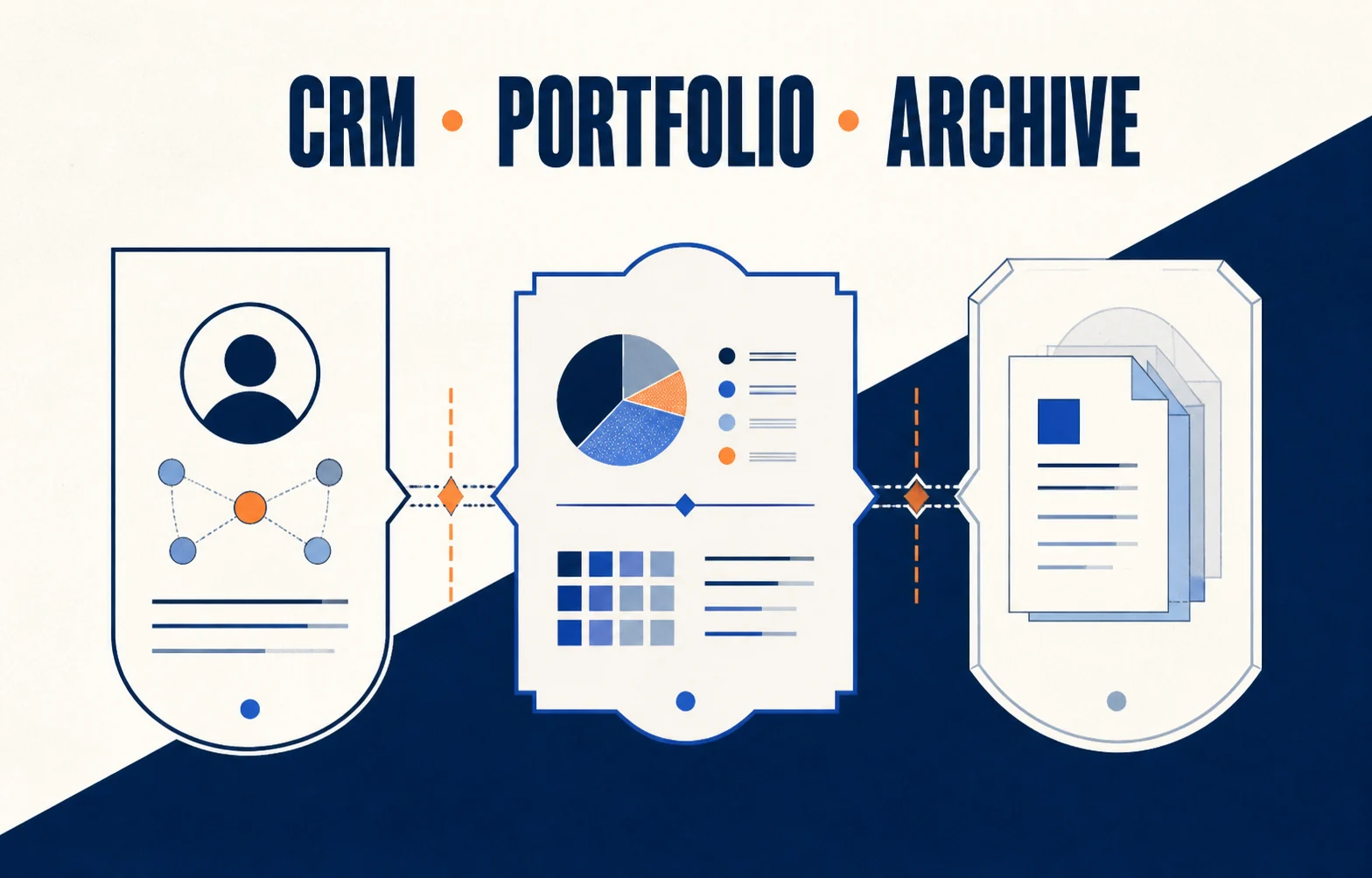
Keep client details, communications, opportunities, holdings, notes, tasks and reminders in one shared relationship context. Give authorized teams the history they need without relying on a representative’s inbox or memory.


Singular brings CRM, communications and compliance workflows together in one platform built for broker-dealers—helping representatives focus on clients while giving operations and supervisors greater visibility and control.







Singular by Patrina
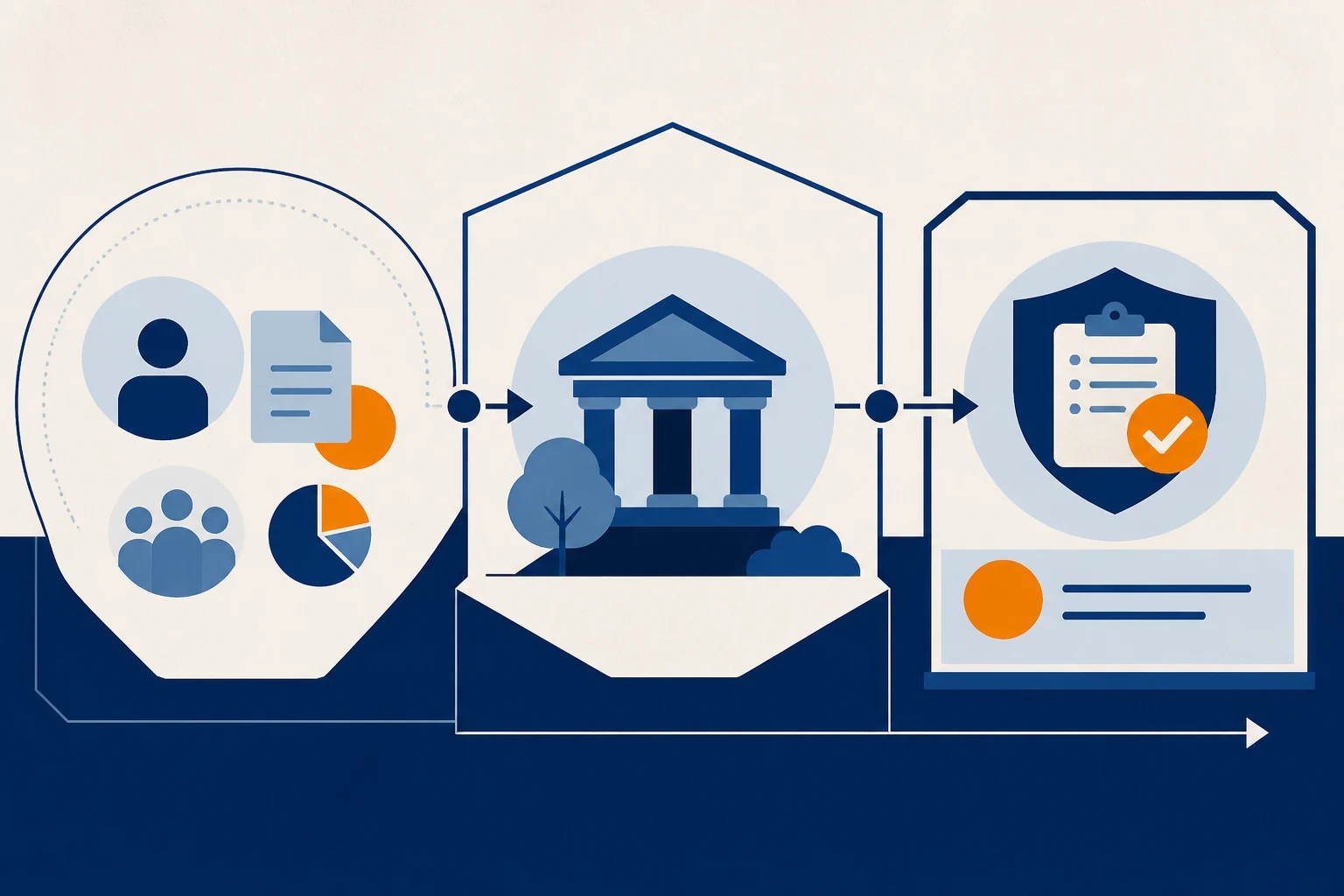
Singular connects CRM, pipeline, communications, analytics and reporting with Patrina’s compliance-focused applications.
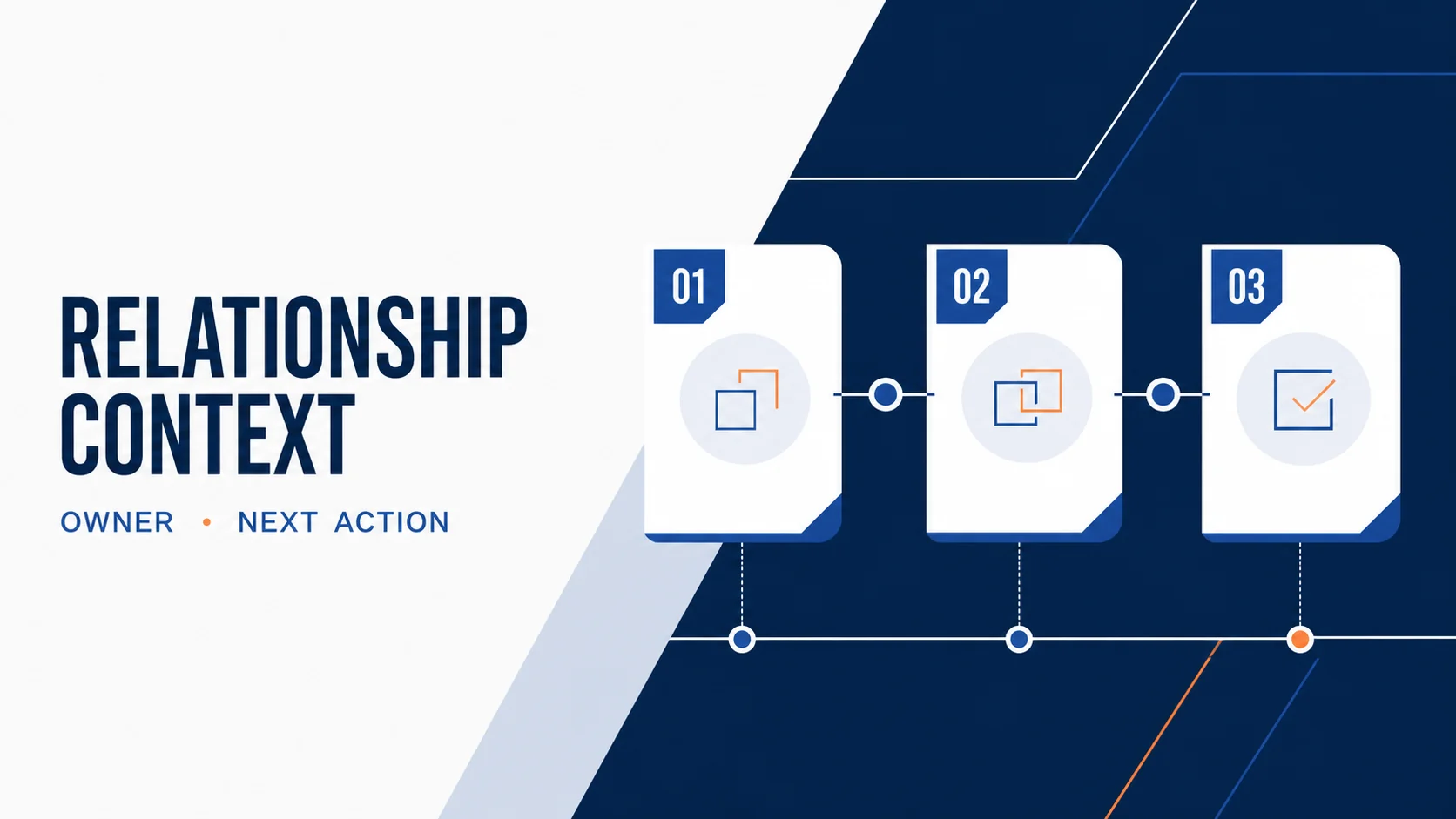
Reps keep relationships moving while operations and supervisors see the context, ownership and next action they need.
For preserved communications, explore broker-dealer email archiving.
Singular brings client information, communications, opportunities, holdings, notes, tasks and reminders together around the relationship.
When an operational or supervisory issue arises, teams have the context they need to act without reconstructing the client history.
Singular includes purpose-built workflows for complaints, OBA and PST reporting, marketing materials, branch audits, political contributions, and gifts and entertainment reporting.
Each workflow provides a clear path for submission, review and follow-through while relationship management continues in the CRM.
Shared tasks, alerts, notes and customizable dashboards give teams a clearer view of ownership, status and unresolved work.
Representatives, branch leaders, operations and compliance can coordinate around the client relationship and the workflows that support it.
“We use Patrina primarily to help us monitor email communication between the advisor and the client. In addition, we find Patrina useful in helping us monitor external text messaging.”
Joel A. Diaz
Managing Member, Anchored Wealth Management
Platform capabilities
See how Singular’s CRM and compliance capabilities work together across your firm’s structure. Confirm availability, configuration and access using a real scenario during your demo.
Keep client details, communications, opportunities, holdings, notes, tasks and reminders in one shared relationship context. Give authorized teams the history they need without relying on a representative’s inbox or memory.
Track opportunities, milestones and next steps with customizable stages. Singular can also capture product and revenue data, including commissions, management fees, one-time fees and hourly fees.
Manage email, text and LinkedIn communications within Singular. Confirm available channels, user identification, review and approval settings, and how communications connect to the firm’s required archiving process.
Build dashboards around the questions each team needs to answer—from pipeline activity to open compliance items. Give representatives, branch leaders, operations and compliance clearer visibility into status and ownership.
Manage branch audits from preparation through review, including firm-specific questions, assigned participants, findings, remediation and supporting evidence. Confirm how Singular maps to your branch and OSJ structure.
Use purpose-built workflows for complaints, OBA/PST disclosures, marketing-material review, policies and procedures, political contributions, gifts and expenses.
Configure only the workflows your firm needs, then validate routing, permissions, notifications, audit history and reporting during the demo.
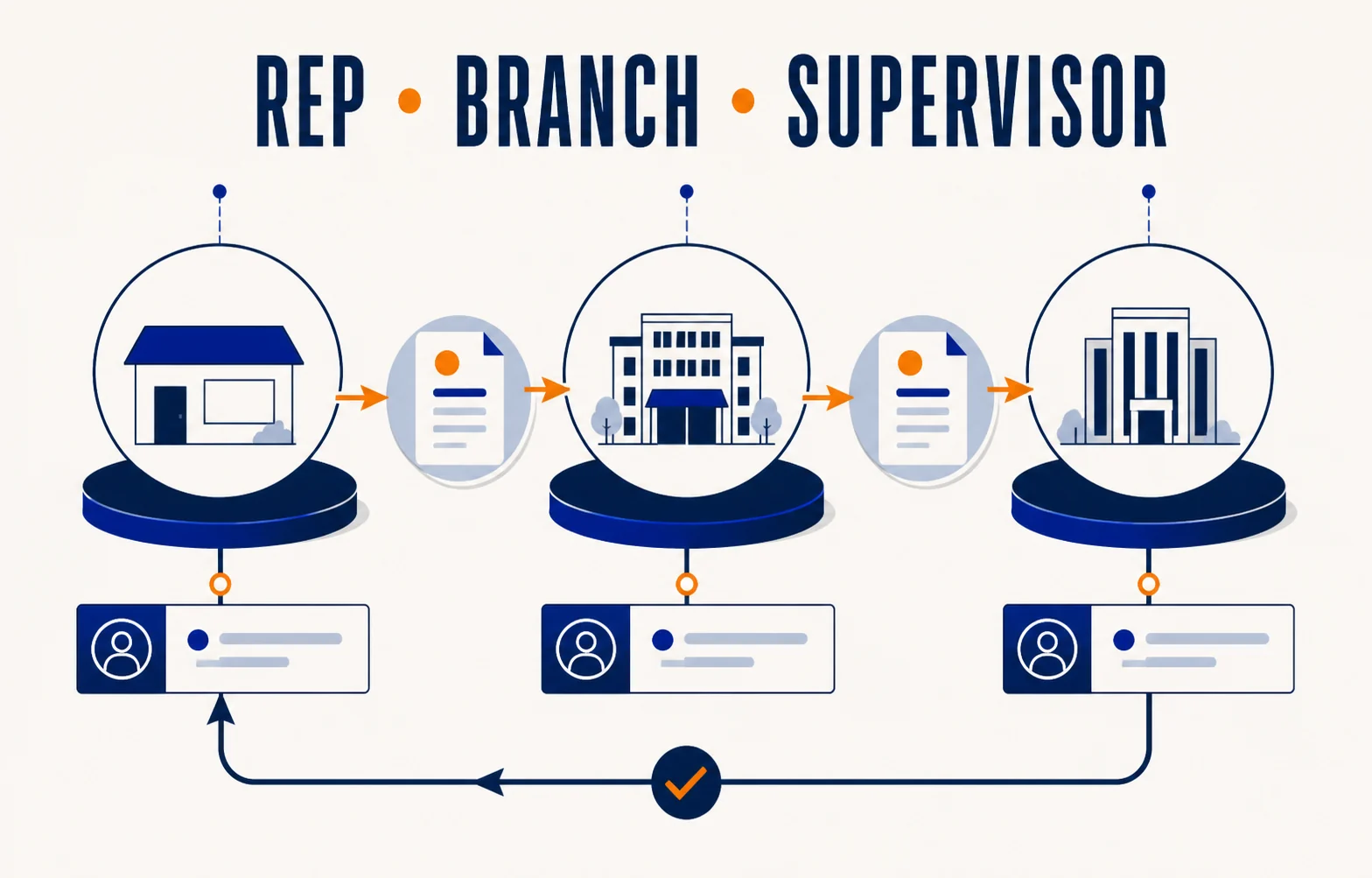
Trace a client event from the representative through the branch or OSJ, operations and compliance. See what stays in the CRM, what moves into a specialized workflow and how the processes connect in your proposed configuration.
Singular integrations
Singular connects key client, communication and compliance data to reduce gaps in the supervision process. Integrations include financial data through Plaid or Schwab and communications such as email, text messaging and LinkedIn.
Contact us to confirm available connectors, data flow, update frequency, permissions and retention for your deployment.











The broker-dealer operating reality
A generic CRM helps reps manage prospects. Singular gives broker-dealers broader visibility—connecting client activity to branches, owners, procedures and the teams responsible for supervision.
The result is a clearer view of work as it moves across the firm, without losing the context needed to manage it.
Reps know the history behind client conversations and opportunities. Branch, operations and compliance teams need that context to understand ownership, follow up and take action.
Singular connects relationship activity with the organizational context the firm needs—reducing the time spent reconstructing what happened and what needs to happen next.
A single client interaction can trigger sales, operations, marketing or compliance work—often with different owners and requirements.
Singular keeps these workflows connected to the client relationship, giving each team the context it needs without reducing everything to a generic CRM activity.
Across branches, OSJs and other locations, the same task can have different owners, statuses and next steps. Singular gives reps, branch managers and central teams a shared view of the work and who is accountable for moving it forward.
The result is fewer handoff gaps and clearer follow-through across the firm.
Bring a real rep-to-firm workflow to a Singular demo and trace it from the initial activity through ownership, review and final disposition.
Use a real handoff to evaluate fit, ownership and visibility.
Broker-dealer use cases
The firm is formalizing processes that rely on email, spreadsheets and individual follow-up.
Representatives, relationship owners, operations and compliance.
Representatives record client and prospect activity in the CRM. When an event requires a disclosure, complaint or review, Patrina can demonstrate how the relevant compliance workflow connects to—or remains separate from—the CRM activity.
The firm can clearly define where relationship activity, compliance submissions and reporting connect, and establish controlled workflows around each.
Branch and OSJ review preparation, findings and remediation are difficult to coordinate consistently across locations.
Branch managers, OSJ principals, field participants, compliance and operations.
Use Patrina’s Branch Office Audits application to define questionnaires, assign preparation and review tasks, and track findings and remediation by owner and status.
A more consistent path from preparation through review and remediation, while maintaining a clear distinction between CRM context and required records.
A small team manages pipeline questions, marketing requests, complaints and employee disclosures, creating overlapping queues and follow-up.
Representatives, sales operations, reviewers and compliance leadership.
Keep pipeline activity in the CRM while routing marketing materials, complaints and OBA/PST submissions through their dedicated workflows. Patrina can demonstrate how outstanding work is reported by type and owner, and which cross-workflow connections are supported.
Clearer ownership and a defined supervision path that keeps commercial activity and specialized compliance processes appropriately distinct.
Compliance and operational context
FINRA Rule 3110 requires member firms to maintain a supervisory system reasonably designed for their business, including written procedures, qualified supervisory personnel and appropriate branch and OSJ designations.
Singular can help coordinate the workflows that support that system, while the firm remains responsible for defining procedures, assignments and supervisory reviews.
Identify reporting relationships, branch and OSJ assignments, escalation points and required evidence before configuring the system.
Then evaluate whether Singular and its connected compliance workflows accurately represent those responsibilities without creating access gaps or conflicting ownership.
FINRA Rule 4511 requires member firms to make and preserve required books and records, including in a format and medium that satisfies applicable SEC requirements under Rule 17a-4.
A communication displayed in Singular should not automatically be treated as the preserved original record. Confirm how required communications are captured, preserved and produced.
FINRA Rules 3110 and 4530 establish supervisory and reporting requirements related to written customer complaints and specified events.
The firm determines which facts require escalation, reporting or retention. Singular’s complaint workflow can support the operational process without making those regulatory determinations.
FINRA Rule 2210 distinguishes correspondence, retail communications and institutional communications, with requirements that vary by category and circumstance.
Patrina’s Marketing Material Repository can support submission, review, approval, distribution and sunsetting. The firm’s compliance procedures determine when each process applies.
Choosing broker-dealer CRM
Use one representative, one client event, one office, one exception and one accountable reviewer to test Singular in a real workflow. Trace the scenario through the CRM and any connected compliance or archiving systems.
This reveals how Singular handles ownership, context and handoffs—and exposes gaps that dashboards alone may not show.
Can Singular represent your representative-to-office-to-supervisor relationships and show each role only what it needs to see?
Test how users, offices and supervisory relationships are configured—including changes in assignments—without flattening the organization or giving everyone the same access.
When work moves from a representative to operations, compliance or another team, what information moves with it?
Test a real scenario and see which facts, attachments, owners and status history carry forward, what must be re-entered, who is notified and how the outcome is communicated back.
Identify which system holds the original communication, review decision and complete history—and how those systems connect.
Distinguish CRM activity and workflow history from compliant record preservation. Confirm how source communications are captured, retained, searched and produced.
Can each team access the work it owns without exposing unrelated client, representative or branch data?
Test permissions for representatives, branch leaders, operations and central compliance against the firm's actual organizational and data boundaries.
Can teams see outstanding work by owner, branch or OSJ, workflow type and status without relying on spreadsheets?
Test filters, drill-downs, ownership and exports using realistic data. Reporting should make stalled, overdue and high-priority work easy to identify.
Use a scenario that changes owners, crosses an office boundary or becomes an exception. Ask Patrina to show what Singular supports today, what requires configuration and what belongs in a separate recordkeeping system.
Bring one real client or record journey and ask Patrina to show how the platform supports it.
A broker-dealer CRM organizes client and prospect relationships, opportunities, tasks, communications and team activity within the firm’s operating model.
Unlike a generic contact database, it should support representatives, branches, OSJs, operations and supervisory teams as work moves across the firm. A CRM supports the supervisory system; it does not replace the firm’s supervisory procedures or recordkeeping controls.
A generic CRM is typically built around lead and sales management.
A broker-dealer needs that functionality plus organizational ownership, role-based access and workflows for activities such as branch reviews, communication oversight, complaints, marketing approvals and employee disclosures.
The key question is not what a platform claims to support, but how it handles the firm’s actual workflows and handoffs.
Singular combines CRM capabilities with Patrina’s compliance-focused applications for areas such as branch audits, complaint reporting, message archiving, OBA/PST reporting and marketing-material review.
Ask us to demonstrate how clients, representatives, offices, tasks, submissions and reviewers connect within your proposed configuration, including which handoffs require configuration.
Patrina’s Branch Office Audits application supports branch, OSJ and satellite-office audit workflows, including standardized and firm-specific questions.
During evaluation, verify how Singular represents offices, supervisory assignments, representative affiliations, permissions, findings and remediation within your organization.
Not by itself. CRM and email archiving serve different purposes.
A CRM manages relationship and workflow context. An archiving system handles the capture, preservation, retention, search, access and production of required records.
If business communications appear in or connect to Singular, verify where the original communication is preserved and how the complete recordkeeping process meets the firm’s requirements.
Singular provides a centralized complaint repository with search, filtering, status tracking, notifications, follow-up and investigation workflows, and reporting.
These capabilities can support the operational process from intake through resolution. The firm remains responsible for defining complaints, review responsibilities, required records and applicable reporting obligations.
Bring your organization structure, a representative-to-supervisor handoff, a real exception such as a complaint or marketing request, required integrations and your recordkeeping requirements.
Include representatives, operations and compliance in the evaluation. Ask us to demonstrate the scenario live, identify configuration requirements and clearly distinguish what happens inside Singular from what happens in connected systems.
See Singular in action
Bring a real process to the conversation. A focused demonstration can show the relevant product path, clarify configuration questions and identify what your team should validate next.